
Reviews
Mirror Path Dash Reflex succeeds by focusing on a single, well-executed mechanic: timed clone placement. The procedural generation ensures no two runs feel identical, which is a strong point for a game built around repetition. The visual feedback is clear and immediate, helping players learn from mistakes. The gradual speed increase provides a natural difficulty curve without feeling unfair. For a browser-based reflex game, it offers solid replay value and a satisfying challenge for players looking to improve their reaction time.
Description
Core Reflex Challenge
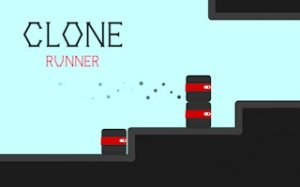
Mirror Path Dash Reflex centers on a single action: tapping to place a clone of your character directly below your current position. This clone becomes part of the path, allowing you to move forward without hitting barriers. The timing of each tap matters because obstacles appear in varying patterns. You can place multiple clones in a row, but each one must be positioned correctly to avoid collisions. The game does not require complex controls or memorization, making it accessible to players of all ages. What sets it apart is how the pace gradually increases, forcing you to think and react faster as you go.
Procedural Course Generation
Each run in Mirror Path Dash Reflex presents a different arrangement of obstacles. The game uses procedural generation to create fresh layouts every time you start. This means you cannot rely on memorizing a fixed path. Instead, you must adapt to the current course and plan your clone placements accordingly. Some sections may have tight gaps that require quick, successive taps, while others might have longer stretches that let you catch your breath. This variety keeps the gameplay from becoming repetitive and encourages repeated attempts to improve your score.
Visual Design and Feedback
The game uses bright, clear visuals that make obstacles and your character easy to distinguish. Each clone you create appears as a distinct copy, so you can see exactly where you placed it. The background remains simple to avoid distractions, allowing you to focus on the path ahead. When you successfully pass a section, the game provides immediate visual feedback, such as a brief flash or color change, confirming your progress. This feedback loop helps you learn from each tap and adjust your timing for the next obstacle.
Progression and Score System
Your goal in Mirror Path Dash Reflex is to travel as far as possible without hitting an obstacle. The game tracks your distance and displays your current score at the top of the screen. As you advance, the speed gradually increases, making each subsequent section more demanding. There are no checkpoints or continues; a single collision ends the run, and you start over from the beginning. This structure encourages you to focus on consistency and precision rather than speed alone. Over time, you will notice improvements in your reaction time and ability to anticipate upcoming patterns.
Tips for Consistent Runs
To perform well in Mirror Path Dash Reflex, practice regular sessions to build muscle memory for tap timing. Instead of reacting at the last moment, try to look ahead and predict where obstacles will appear. Establish a steady rhythm that matches the current speed of the course, and adjust your tap frequency as the pace changes. Staying calm during faster sections helps maintain accuracy. Each run provides feedback on your decisions, so pay attention to where you placed clones and whether they helped or hindered your progress. Experiment with different tap patterns to find what works best for each course layout.
Compatibility
Faq
Similar Titles
Color Path Reflex Arcade
Cute Cube Climber Game

Highway Pursuit Racing Challenge
Rolling Dash Arcade Challenge
Maze Escape Arcade Game
Color Match Triangle
Chromatic Jump Arcade

Three Color Disk Puzzle
Pop Squares Puzzle Arcade

Timber Runner: Log Dodge
Froggy Poci Hop Quest

Player Comments
Sign in to comment
You must be logged in before posting a review or rating.
No account? Create one
No comments yet. Be the first to comment!